Advertising & Branding /
Magnetic Signs or Vinyl for a Fleet That Changes Drivers Weekly
Removable branding only works when the right sign reaches the right vehicle and someone owns its cleaning, inspection and storage.
By Auronix Advertising
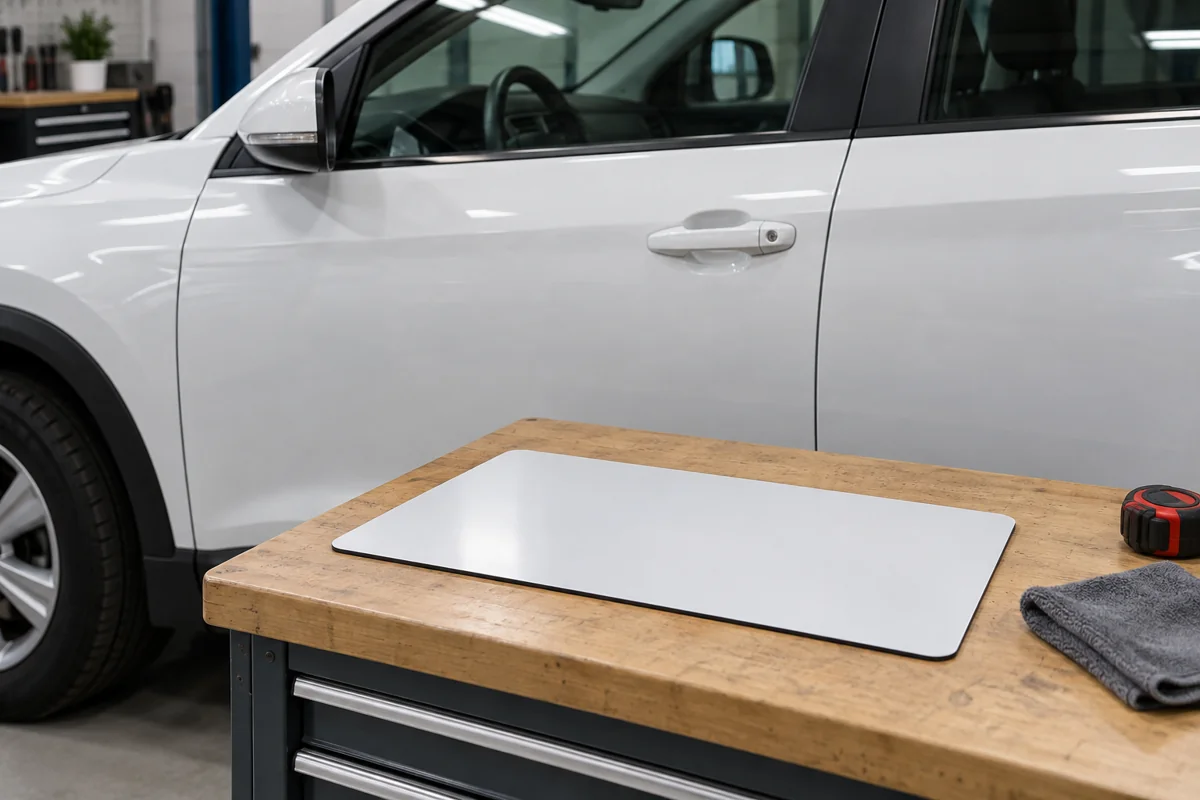
The vehicles stay busy, drivers rotate between them and some cars are used for more than one business purpose. Magnetic signs appear to offer an obvious solution: move the branding when the assignment changes. In practice, that only works if the panels are suitable and the organisation can manage the signs consistently.
Compare magnetic signs and vinyl as operating arrangements, not merely as two materials. Permanent identification may suit a vehicle dedicated to one business. Removable signage may suit a different use pattern, but it introduces custody, cleaning, storage and compatibility questions that need answers before the first driver handover.
Map what actually changes each week
Write down whether the driver, vehicle, business identity or all three change. If only drivers rotate while the same van always represents the same company, removable branding may solve a problem that does not exist. A fixed identity could be simpler to manage.
If vehicles alternate between authorised business uses, describe when branding must be present and when it must be removed. Include responsibility for deciding that transition. A driver should not have to infer which company identity belongs on a vehicle from the last sign left in the boot.
List the fleet models and the intended mounting panels. Avoid treating all vehicles as interchangeable because they look similar from a distance. The magnetic sign proposal needs assessment against the actual contact surfaces, while a vinyl proposal needs its own application and removal scope.
Confirm panel suitability before ordering prints
Have the supplier assess the actual panel material, condition and shape. A metallic-looking body panel is not proof that it will hold the proposed magnetic material appropriately. Keep suitability recorded by vehicle or confirmed variant rather than by a broad label such as "company cars".
Magnum Magnetics' care guidance explicitly notes that its material will not work on aluminium or plastic surfaces and identifies other application restrictions. This is product guidance to check against the supplied system, not a reason to assume every steel-looking door is suitable without assessment.
Ask whether the sign can make the required contact over the intended area without crossing unsuitable features. Do not bridge panel gaps or body details simply to preserve an attractive rectangle on a drawing. The supplier should confirm the appropriate size and location for the actual vehicle.
Ask for product-specific operating guidance
Request the magnetic material identification and the manufacturer's current instructions. Ask the supplier to explain the relevant operating limits and what conditions make the proposed use unsuitable. Do not rely on an unsupported maximum-speed claim copied from a different brand or sign size.
If the supplier proposes a vinyl alternative, request comparable clarity: exact film, covered panels, intended duration and removal assumptions. A comparison between a fully specified magnetic product and an unnamed adhesive graphic does not give the buyer a useful basis for choosing.
Keep advertising permission in the decision. The ability to remove a sign quickly does not establish an exemption from the applicable process. Have the responsible applicant confirm the current requirements for the vehicle, design and intended operating arrangement before either option is produced.
Give every sign a custody record
Assign a simple internal identifier to each physical sign or matched pair. Record the artwork version and the vehicle types or specific vehicles for which it has been assessed. The record helps prevent a driver from moving a familiar-looking sign onto an unreviewed panel.
At issue, record who takes the sign and where it is expected to return. At return, check that the correct items are present and report any concern to the designated fleet contact. This can be a short handover sheet; it does not require a new software system.
Keep spare signs distinguishable from withdrawn or damaged ones. A replacement waiting on a shelf should not be confused with an item removed from use for assessment. Clear storage locations and a visible internal status prevent the next shift from guessing.
Allocate cleaning time, not just cleaning instructions
Magnum's guidance calls for daily removal and cleaning of vehicle-mounted signs. If that is the supplied system's requirement, the fleet needs a person, place and time to carry it out. A maintenance instruction nobody has the resources to follow is an unresolved operating issue.
Ask the supplier to demonstrate the appropriate care and handling for its product. Provide the relevant instructions to every user rather than expecting a verbal explanation to survive several driver changes. Staff should know how to report a sign that no longer sits as expected.
Do not prescribe improvised cleaners or remedies for a questionable surface. Refer problems to the responsible supplier and follow the applicable instructions. A removable product is not automatically free of surface-care obligations or suitable for every repaired or treated panel.
Plan storage between assignments
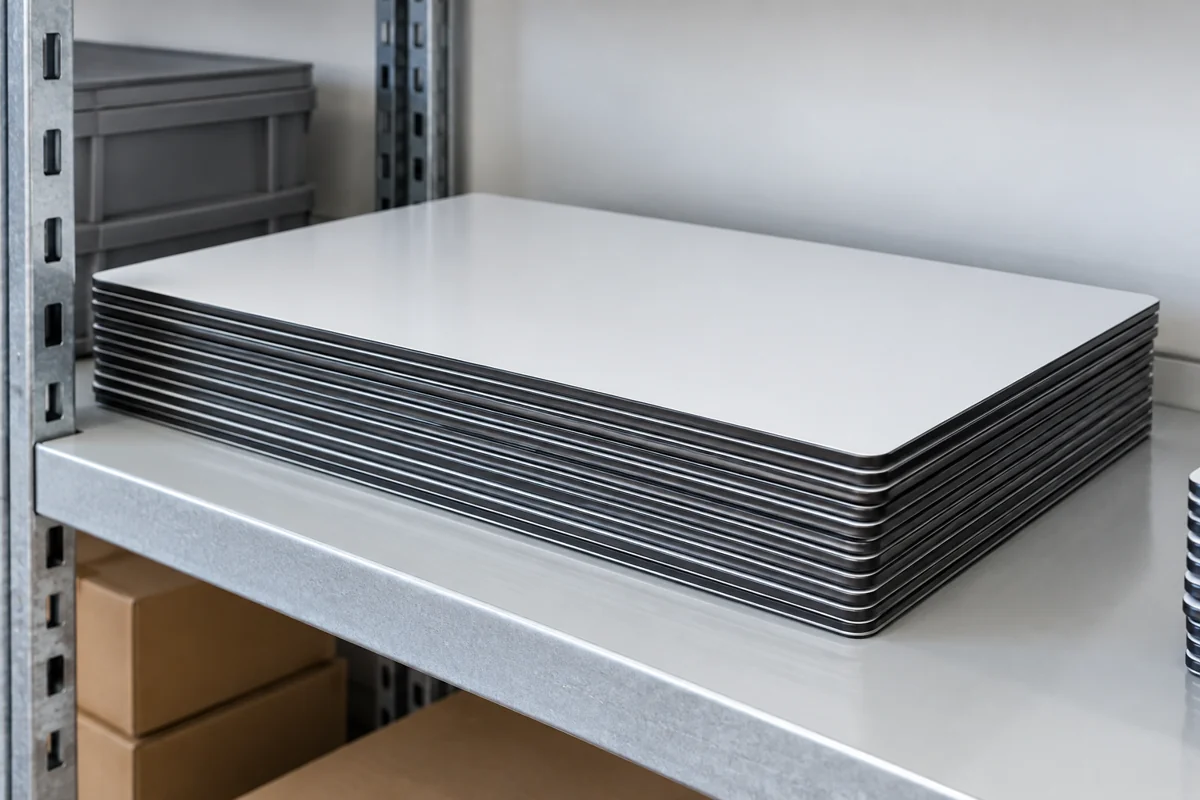
The sign needs an appropriate storage arrangement when it is off the vehicle. Ask the supplier how the supplied product should be kept and protected from distortion or contamination. Leaving it loose beneath tools or paperwork can undermine the next installation before the driver reaches the car.
Allocate storage close enough to the handover point that staff can actually use it. If the only suitable shelf is in a locked office unavailable during early shifts, the written procedure and daily operation will diverge. Resolve that practical problem before ordering a large batch.
Include transport between branches if signs move with drivers. A sign designed for one branch's fleet may be taken elsewhere with different vehicles and no suitable storage. The custody record should prevent unreviewed use rather than simply track that an item has changed hands.
Compare labour and replacement costs honestly
Add the expected handling time to the purchase comparison. Use the company's actual staffing arrangements instead of assuming removable signs require no ongoing effort. Cleaning, issuing, checking and storing a fleet's signage can be a meaningful recurring task even when each individual action is small.
For vinyl, identify the work involved when the identity actually changes: design updates, removal, replacement and vehicle downtime. Do not compare a magnetic system intended for frequent switching with a vinyl quote that assumes an unchanged graphic for the whole operating period.
Ask how replacement signs or graphics are matched to the existing identity. Keep production artwork and material references so the business can order the right replacement without restarting the design conversation. Record price assumptions as estimates where future conditions remain unknown.
Make outdated artwork easy to withdraw
A changed telephone number or business identity can leave older magnetic signs circulating between branches. Maintain a current artwork reference and identify which physical items need replacement. Ask the fleet contact to account for issued signs rather than assuming every driver received the announcement.
Keep withdrawn signs out of the ready-to-use storage area until the business decides how to handle them. A tidy-looking old sign can otherwise return to service during a rushed handover. The advantage of removable branding is strongest when the organisation can also remove obsolete information consistently.
Trial the handover with one suitable vehicle
Before a wider order, rehearse the intended process using a professionally assessed vehicle and the supplied product guidance. Include the people who issue keys, clean vehicles and receive equipment back. They may notice practical constraints that were absent from the marketing brief.
Check whether the sign reaches the correct vehicle, whether the care routine fits the shift and whether storage is available at the end. A successful visual sample does not establish that this daily process will work. The trial should evaluate both appearance and operational responsibility.
Consider a hypothetical business whose drivers change weekly but whose vans always carry the same identity. The trial may show no benefit from transferring removable signs. Another operator with genuinely changing authorised uses may accept the extra handling because it supports a defined need.
For Auronix magnetic vehicle signage, share the fleet list, intended panels and handover pattern. Coordinated fulfilment should confirm product suitability alongside the visual brief, leaving the business with an operating arrangement it can maintain rather than a box of signs whose next user is unclear.
FAQs
Are magnetic signs useful whenever drivers change?
Not necessarily. If the vehicle always represents the same business, driver rotation alone may not justify removable branding. Identify what changes operationally before choosing a system that adds handling responsibilities.
Will a magnet work on every vehicle door?
No. Panel material, condition and shape need assessment for the actual product. Do not infer suitability from metallic paint or assume that different vehicles in the same fleet have identical panels.
Can I move one sign between similar-looking vehicles?
Only use it where the responsible supplier has confirmed the application is suitable. Keep a record of approved vehicles or variants so resemblance does not replace a compatibility assessment during handover.
What speed limit should I assume for magnetic signs?
Do not invent or borrow a universal figure. Obtain the relevant manufacturer's operating guidance for the supplied sign configuration and have the supplier resolve any uncertainty before the intended use begins.
Does removability eliminate advertising permission requirements?
Do not assume an exemption. Ask the responsible applicant to confirm the applicable current process for the vehicle and design, regardless of whether the physical sign can be removed between assignments.
Who should own the daily care routine?
Name a fleet role responsible for arranging the product's required care and checking reported concerns. Make the time and facilities available so the instruction remains practical across shifts and driver changes.
How should unused signs be stored?
Follow the supplied product's storage instructions in a designated location. Protect the signs from inappropriate loading or contamination and keep items awaiting assessment separate from those ready for use.
What should the handover record contain?
Identify the sign, artwork version, assessed vehicle use, current custodian and any reported condition issue. A short consistent record is more useful than relying on memory when staff or locations change.
Is vinyl necessarily more expensive over time?
That depends on how often the identity changes and the required work. Compare actual removal and replacement needs against the magnetic system's handling, care and replacement costs under the same operating plan.
What should a trial check beyond appearance?
Rehearse issuing, appropriate use, care, return and storage with the actual team. The trial should show whether responsibilities and facilities support the daily process, not merely whether the printed design looks good.
