Advertising & Branding /
Wrapping a Leased Car You Have to Hand Back Clean
The return appointment belongs in the wrap brief from the beginning. Removable film does not replace lease consent or a condition assessment.
By Auronix Advertising
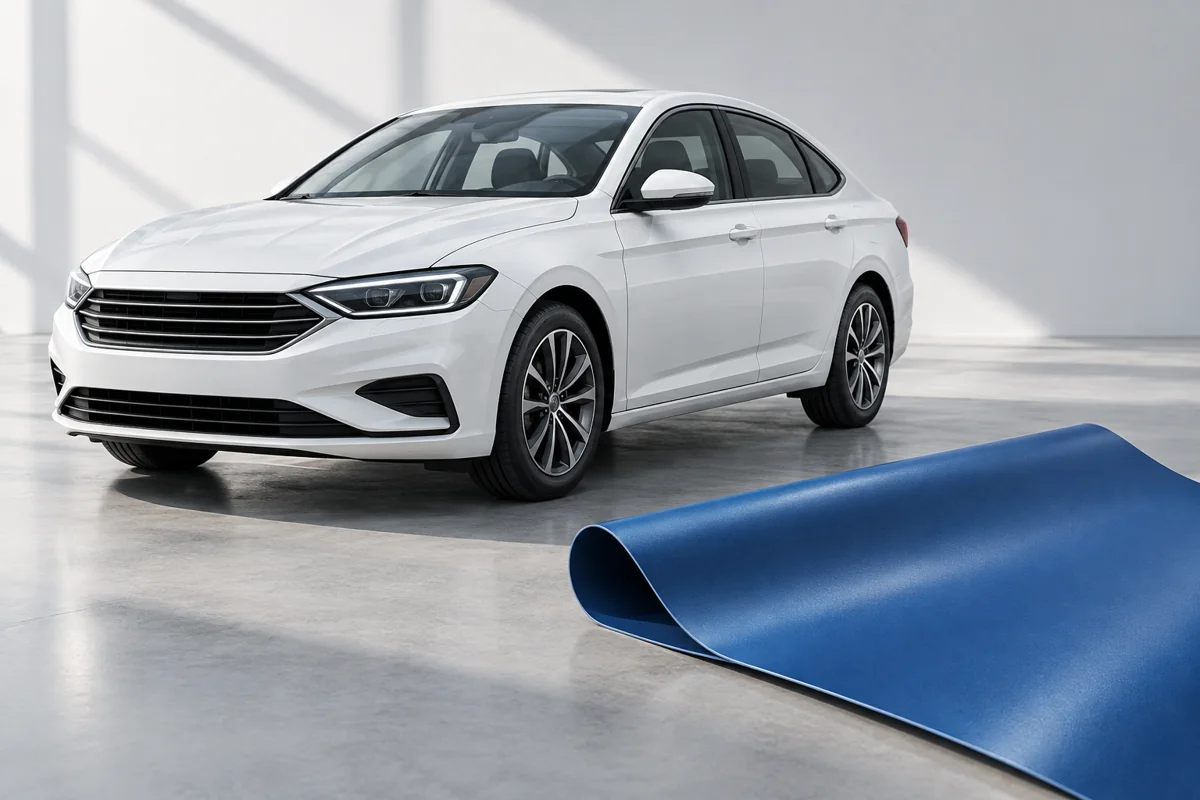
The wrap looks like a temporary change, so it is tempting to treat removal as a problem for the end of the lease. That is the wrong moment to discover that the vehicle owner expected prior permission, the panel had an old repair or the removal booking leaves no time for a final inspection.
A leased-car wrap needs two plans: one for the branding period and one for returning the vehicle. The second plan should influence the first. Start with written consent, a condition record and a realistic timetable, then ask the supplier to propose a suitable material system for the intended use.
Read the lease and ask the vehicle owner
Review the agreement's provisions on modifications, advertising, repairs and return condition. If the wording is unclear, obtain clarification from the leasing company before placing a production order. A salesperson's general statement that wraps are removable does not establish what your particular contract permits.
Give the owner a clear description of the proposal, including the vehicle, intended coverage and expected duration. Ask whether it requires a particular approval process, installer information or removal evidence. Keep the response with the project rather than relying on a driver's recollection of a telephone conversation.
Advertising permission is a separate issue. For example, Mada Media's Dubai vehicle advertising service includes a leasing-company NOC condition for rented vehicles. Have the responsible applicant confirm the current requirements for the actual vehicle and artwork; owner consent alone should not be treated as completion of every applicable process.
Record condition before any film is applied
Arrange a documented inspection with the supplier and retain clear photographs of the relevant panels. Note known repairs, chips, scratches and other visible issues. The purpose is an agreed starting record, not an attempt to diagnose paint condition from photographs alone.
Ask the leasing company about known repair history if the vehicle has already been used. Pass available information to the installer. A panel that looks uniform in a quick walk-around may have a history relevant to application or removal, and the supplier should know the limits of the available evidence.
If suitability is uncertain, pause the affected part of the proposal and ask for the appropriate assessment. Do not assume that covering a defect resolves it. The return obligation remains even when the problem becomes less visible under the graphic.
Ask what removability means for this system
Request the exact film, compatible finish and intended application conditions. Ask the supplier how the proposed duration relates to the manufacturer's documentation for the actual region and use. A broad description such as "premium removable vinyl" is not a complete specification.
3M's UK wrap-removal guidance discusses removal in relation to the wrap's warranty period and paint condition. That illustrates the conditional nature of a manufacturer's statement; it should not be converted into an unconditional UAE promise that every leased vehicle will emerge unchanged.
Ask the local supplier to explain the applicable warranty and exclusions in writing. Distinguish a material warranty from labour, removal and any liability for underlying paint. The buyer needs to understand who is responsible for which outcome, particularly where the lease imposes its own return standards.
Consider coverage with the return in mind
Choose coverage because it serves the business identity, not because a larger wrap is assumed to protect the car. Discuss whether selected panels meet the communication need and how each option affects application, maintenance and eventual removal scope.
Have the designer work around the actual vehicle model and any owner-imposed restrictions. The final proof should show exactly what is included. If the leasing company agreed to one proposal, do not expand the coverage informally during installation without resolving the changed permission and scope.
Keep short-lived promotional details out of hard-to-update compositions where practical. A business that changes its offer regularly may benefit from a simpler identity treatment. This is a design-planning decision, not a guarantee that one layout will always be easier or cheaper to remove.
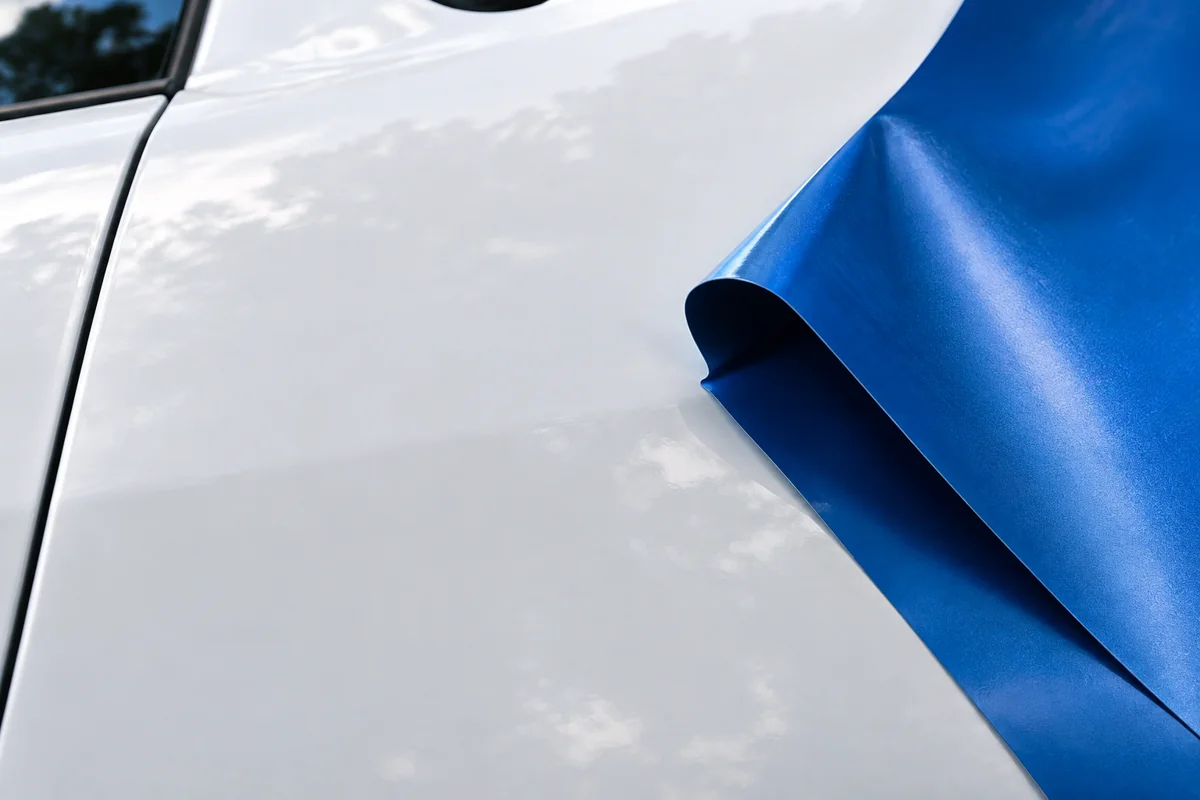
Build care into the vehicle handover
Give drivers and cleaners the supplier's instructions for the actual installed system. Ask them to report lifting edges, damage or unusual changes promptly. Avoid telling staff to repair defects with whatever adhesive or cleaning chemical is available.
Keep the branding record with the fleet manager when drivers change. It should identify the installer, material, application date and service contact. The person returning the vehicle at the end of the lease may not be the person who approved the wrap.
After an accident or body repair, have the wrap and lease implications reviewed together. Replacement graphics should not conceal an unresolved repair issue, and a new film section should be documented. This helps the final removal provider understand that the vehicle may contain more than one installation history.
Book removal before the return deadline becomes urgent
Ask the supplier what information it needs to quote and schedule removal. Provide the installation records, current condition photographs and return date. If a physical inspection is needed, allow time for it instead of expecting an accurate fixed scope from the original invoice alone.
Leave an appropriate interval between planned removal and the vehicle owner's return inspection. The interval should reflect the actual booking and any potential follow-up assessment. Do not publish or rely on a universal same-day removal promise for vehicles with different materials and histories.
Agree how unexpected findings will be handled. The removal provider should know whom to contact before additional work or cost is authorised. A clear decision process is more useful than a vague instruction to "make it perfect" regardless of the condition discovered beneath the film.
Use professional removal and a documented inspection
Do not treat wrap removal as an opportunity for improvised heat, solvents or scraping by untrained staff. Ask the responsible supplier to use the appropriate product guidance and professional methods. This article is a buying checklist, not a procedure for removing film from a leased asset.
Once removal is complete, inspect the vehicle under suitable conditions and document the result. Compare visible concerns with the earlier condition record without assuming that every difference has one obvious cause. Where an issue is disputed, involve the appropriate parties before attempting a cosmetic fix that could complicate the evidence.
Keep the removal invoice, photographs and any agreed follow-up work with the lease-return file. Ask the owner what final evidence it requires. The supplier's completion note and the leasing company's acceptance are different records, and one should not be silently substituted for the other.
Plan for an early vehicle return
Ask what happens if the lease ends earlier than expected or the owner substitutes another vehicle. Keep the removal provider's contact and the original records accessible so the business can request an assessment promptly. A long intended campaign should not leave the fleet unable to respond to a changed return date.
The replacement car needs its own review. Consent, paint information and graphic fit should not be transferred automatically merely because the model name is similar. Treat the new vehicle as a new asset within the established process, reusing the artwork only after the relevant checks.
If the business changes leasing providers, close out the old vehicle's branding record before beginning the next order. This keeps unresolved return questions visible and prevents the convenience of a new wrap booking from distracting the team from an outstanding handover.
Compare the complete branding period
When comparing quotes, include application, expected care responsibilities, removal arrangements and downtime. Identify what is priced now and what needs a later assessment. The lowest installation price may be less useful if the return phase is entirely unspecified.
Imagine a hypothetical leased service car due back shortly after a busy trading period. Booking the removal review early allows the business to plan another vehicle and assemble its condition records. Waiting until the final afternoon creates an avoidable scheduling risk even if the film itself presents no unexpected problem.
For Auronix vehicle-wrap coordination, share the lease timetable, owner response, vehicle details and intended coverage. A workable brief keeps the return condition visible from the outset, so the advertising period ends with an organised handover rather than an assumption that removable means consequence-free.
FAQs
Can I wrap a leased car without asking the owner?
Check the actual lease and obtain the necessary written consent before proceeding. Removability does not establish permission, and any applicable advertising requirements need their own review for the proposed vehicle and design.
Does removable vinyl guarantee undamaged paint?
No unconditional outcome should be promised for every vehicle. The relevant film system, paint condition, installation history, exposure and removal circumstances need assessment by the responsible supplier before expectations are agreed.
Why keep photographs before installation?
They support a shared record of visible starting condition and known issues. Use them alongside the supplier's assessment and available repair history rather than treating photographs as a complete technical evaluation of paint.
Should the leasing company see the artwork?
Provide a clear proposal and ask what its approval process requires. Keep the accepted coverage and duration documented so the final installed design does not quietly exceed the arrangement the owner reviewed.
Does an overseas manufacturer page establish my local warranty?
No. Ask the supplier to identify the warranty applicable to the exact product system, territory and use. Separate material coverage from installation, removal labour and responsibility for underlying vehicle condition.
What should a new driver know about the wrap?
Give them the relevant care instructions and a route for reporting damage. Keep technical records with the fleet manager so a driver change does not lose the product identification or installer contact.
When should removal be booked?
Discuss the return timetable before installation and arrange the later assessment early enough for the actual work and owner inspection. Avoid relying on a universal duration that ignores the vehicle's eventual condition.
Can staff remove the graphics themselves to save money?
Use an appropriately qualified provider and the relevant product guidance. Improvised heat, chemicals or scraping on a leased vehicle can create problems that outweigh an apparent saving on professional removal.
What if a repaired panel has replacement graphics?
Document the repair and replacement installation, including material information where available. Share that history with the removal provider and leasing company as appropriate so the return review uses the actual vehicle record.
Which records should be kept for lease return?
Retain owner consent, initial condition evidence, installation and material records, removal documentation and the final inspection outcome. Together they explain the branding period more clearly than an isolated invoice or photograph.
