Advertising & Branding /
Floor Graphics That Stay Safe Underfoot: Slip Ratings, Laminates and Placement
Floor graphics need an anti-slip laminate with a tested rating such as R9 or R10 under DIN 51130, careful placement away from wet entrances and regular checks for lifting edges.
By Ashker
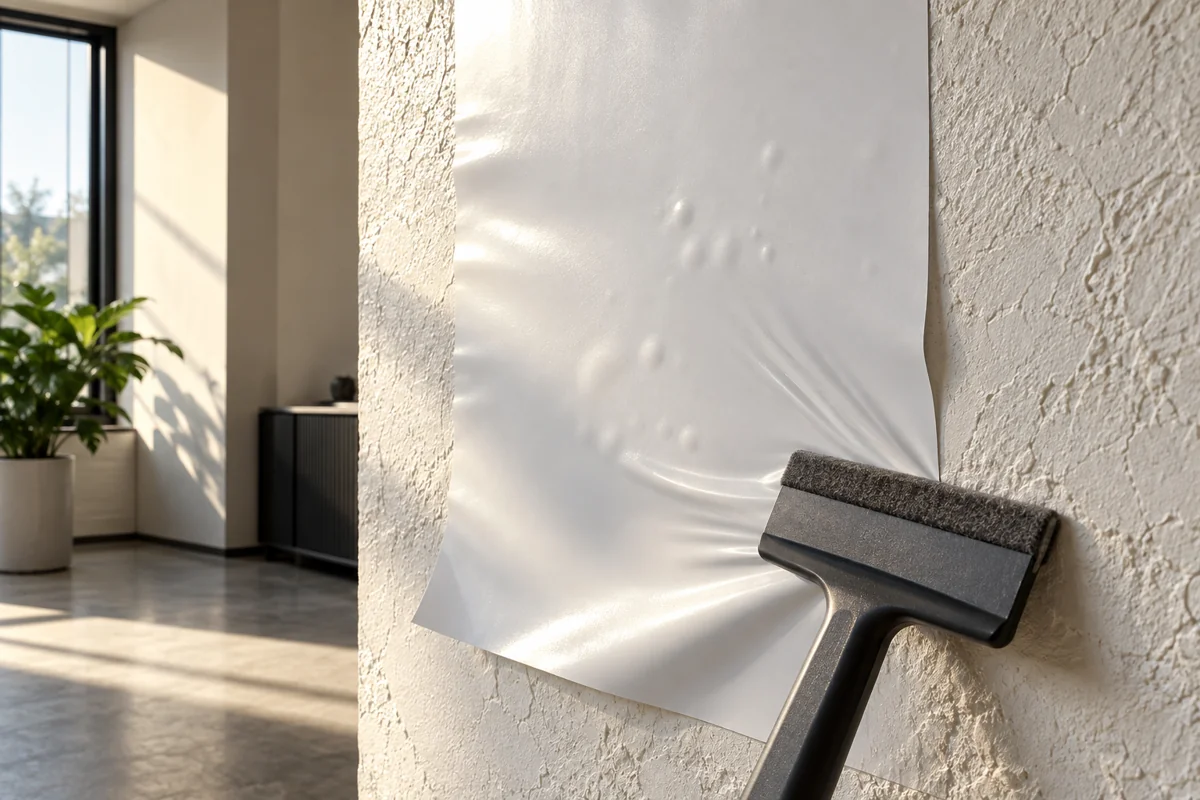
Floor graphics guide shoppers, mark queues and promote offers exactly where people walk. They also sit under customers' feet, so a slippery finish becomes a safety risk. Malls, supermarkets and clinics in the UAE see heavy footfall, frequent cleaning and occasional spills. The right laminate and placement keep the graphic eye-catching without creating a hazard for anyone walking across it.
This guide explains how to specify floor graphics that stay safe underfoot. It uses slip-resistance information published by 3M and Mactac, two major international graphic film manufacturers. It covers slip rating systems, laminate choice, placement near entrances and regular maintenance checks. Window graphics are covered briefly here too, because the two are often ordered together for the same shopfront campaign.
What do slip-resistance ratings such as R9 and R10 mean?
Many floor laminates are tested to the German standard DIN 51130, which gives ratings from R9 to R13. Mactac's technical bulletin on anti-slip certification describes R9 as the lowest rating, defined as poor resistance. Higher numbers indicate more resistance to slipping for people wearing shoes.
Mactac's table places R9 at a slip angle of 6 to 10 degrees and R10 above 10 up to 19 degrees. The same bulletin mentions the European pendulum test, EN 13036-4, as another recognised method. Ask which test and rating apply to the product quoted.
Quick Answer
DIN 51130 rates slip resistance from R9 to R13, with R9 the lowest, according to Mactac. Ask suppliers which test and rating apply to the exact laminate they are quoting.
Which laminates are designed for floor graphics?
Floor graphics need a textured protective laminate rather than the smooth laminate used on wall graphics. 3M's Graphic Protection Options bulletin lists several floor laminates tested to DIN 51130. It specifies products 3645 and 3649 at R9 and product 3647 at R10.
Higher ratings suit busier or more slip-prone areas, but they may change the graphic's appearance slightly. Ask for a printed sample with the chosen laminate on your actual floor before ordering the full run. Never use an ordinary gloss wall laminate on a floor, however short the campaign.
Quick Answer
Use a textured floor laminate tested to DIN 51130, never a smooth wall laminate, even briefly. 3M's bulletin lists products 3645 and 3649 at R9 and product 3647 at R10.
Where should floor graphics be placed?
Keep floor graphics well away from entrances where rain, tracked-in sand or cleaning water collects. UAE buildings also see condensation near automatic doors where cold indoor air meets humid outdoor air. Wet surfaces reduce grip noticeably, even on rated laminates designed specifically for floors.
Avoid ramps, stair nosings and areas where people turn sharply or stop suddenly, such as escalator landings. Choose flat, smooth, clean floor surfaces that suit the adhesive used. Ask mall or building management early about any placement rules before planning a floor campaign around their walkways.
Quick Answer
Place floor graphics away from wet entrances, ramps, stairs and escalator landings. Use flat, clean, dry floors, and always check placement rules with mall or building management before printing anything.
How long can floor graphics stay down safely?
Floor graphics wear faster than wall graphics because of foot traffic, shopping trolleys and floor cleaning machines. Their lifespan depends on the film, laminate, floor surface and how busy the area is each day. Plan short, clearly dated campaigns rather than leaving promotional graphics down indefinitely.
Lifting edges are a trip hazard as well as a cleanliness problem. Inspect graphics regularly and remove or replace any that start to curl, tear or bubble. Brief cleaning staff and contractors so machines and strong chemicals do not damage edges or laminate surfaces.
Quick Answer
Floor graphics wear quickly under foot traffic, trolleys and cleaning machines. Inspect them regularly, remove any with lifting edges, and brief cleaners so cleaning equipment does not damage the laminate.
How do window graphics fit into the same campaign?
Window graphics do not face foot traffic, so slip ratings do not apply to them. The main decisions for window graphics are visibility, privacy and whether people inside need to see out clearly. Perforated film suits windows where outward visibility matters during opening hours, such as offices and shopfronts.
Coordinate floor and window artwork carefully so the campaign looks consistent from both outside and inside. Plan installation outside trading hours to avoid blocking busy entrances or aisles. Our guide to perforated window film explains the visibility trade-off in more detail.
Quick Answer
Window graphics do not need slip ratings, but they need decisions on visibility and privacy. Coordinate them with floor graphics, and install both outside trading hours to keep entrances clear.
Main Takeaways
Floor graphics need a textured laminate tested for slip resistance, with tested ratings such as R9 or R10 under DIN 51130. Never use smooth wall laminate on floors, even for short promotional campaigns. Place graphics away from wet entrances, ramps, stairs and escalator landings. Inspect them regularly and promptly remove any with lifting edges before they become a trip hazard.
Plan the floor campaign around safety first
Start by marking on a floor plan where graphics will go, then check each spot for moisture, slopes and traffic. Ask the supplier for the exact laminate, its tested slip rating and the standard used. Confirm placement rules with mall or building management. Then agree an inspection routine, a responsible person and a removal date before the graphics go down.
Auronix Advertising produces window and floor graphics in the UAE with tested, rated anti-slip laminates. Send your floor plan, artwork, floor surface photos and campaign dates. We will recommend suitable laminates, safe placement and simple inspection steps for staff. For wall graphics in the same store or office, read our guide to office wall graphics on textured and smooth walls.
Sources & References
FAQs
What slip rating should floor graphics have?
Choose a laminate tested to a recognised standard such as DIN 51130 and suited to the area's footfall. 3M lists floor laminates rated R9 and R10, depending on the product.
What does R9 mean on a floor laminate?
R9 is the lowest rating in the DIN 51130 scale, which runs from R9 to R13. Mactac describes R9 as poor resistance, so busier areas may need a higher rating.
Can I use normal wall vinyl on a floor?
No, floor graphics need a textured anti-slip laminate designed and tested for walking surfaces. Smooth wall laminates can quickly become slippery underfoot, especially when floors are wet or freshly cleaned.
Are floor graphics safe near shop entrances?
Avoid placing them where rain, sand, cleaning water or door condensation collects. Even rated laminates lose grip when wet, so keep graphics on dry, flat areas away from the doors.
How long do floor graphics last in a busy mall?
It depends on the film, laminate, floor surface and footfall, so plan short campaigns. Inspect graphics regularly and replace them as soon as edges lift or the surface visibly wears.
Can floor graphics go on carpet or rough tiles?
Most floor graphic films are designed for smooth, flat, clean and dry surfaces. Ask your supplier for specific suitable products before applying graphics to carpet, textured tiles or outdoor paving.
What is the pendulum test for slip resistance?
It is a European method described in EN 13036-4, which measures dynamic friction with a pendulum slider. Mactac notes that many health and safety institutions now refer to this standard.
Who is responsible if someone slips on a floor graphic?
Responsibility depends on the site, contracts and circumstances, so seek proper advice if an incident occurs. Using properly rated laminates, safe placement and regular documented checks reduces the risk significantly.
Should window graphics be laminated too?
Window graphics are often laminated for scratch and UV protection, but they do not need anti-slip ratings. The laminate choice depends on whether graphics sit inside or outside the glass.
Can Auronix produce safe floor graphics for my store?
Yes, Auronix Advertising produces floor graphics with tested anti-slip laminates and plans placement with you. We supply the tested product ratings and recommend practical inspection routines for the campaign period.
