Advertising & Branding /
Short-Run Printed Packaging: Digital or Offset for a Launch
Launch packaging works best when the structure is sampled first, digital and offset are quoted at launch and reorder quantities, finishes are planned early, colours are locked and barcodes follow GS1 sizes.
By Ashker
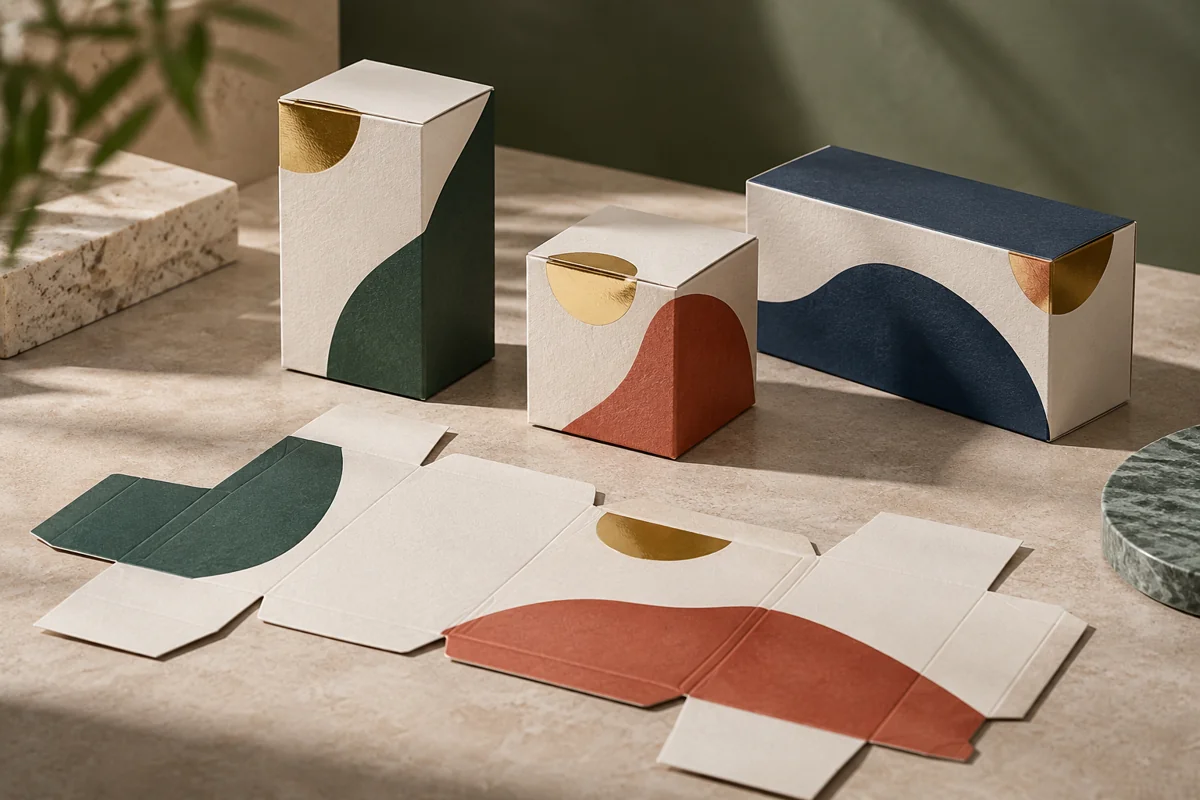
Brands launching a product in the UAE often need a few hundred boxes for testing before committing to thousands. Short digital runs usually suit that stage, while offset suits larger repeat orders. Packaging adds extra decisions that flat printing does not, such as structure, finishes and barcodes. Getting them right first time avoids costly reprints and delays after launch day.
This guide explains how to plan short-run launch packaging and when to move to offset printing for reorders. It covers choosing the print method, structural samples, finishes, colour consistency between runs and barcode sizes. It refers to GS1 UK's published guidance on barcode sizes for retail products. Each section ends with a short answer for your product and marketing team.
Should launch packaging be printed digitally or offset?
Digital printing needs no printing plates, so it suits launch quantities, test markets and multiple design versions. Offset needs plates and setup, which become cheaper per box as order quantities rise. The crossover point depends on box size, board, finishes and the quantity ordered.
Ask suppliers to quote both methods at your launch quantity and your expected reorder quantity a few months later. Compare the full cost, including cutting, folding and gluing, not just the printing itself. Our guide to offset versus digital print run size explains the break-even calculation.
Quick answer: Short-Run Printed Packaging
Digital suits launch quantities, test markets and versions because it needs no plates. Offset becomes cheaper per box as quantities rise, so quote both methods at launch and reorder quantities.
Why does packaging need a structural sample first?
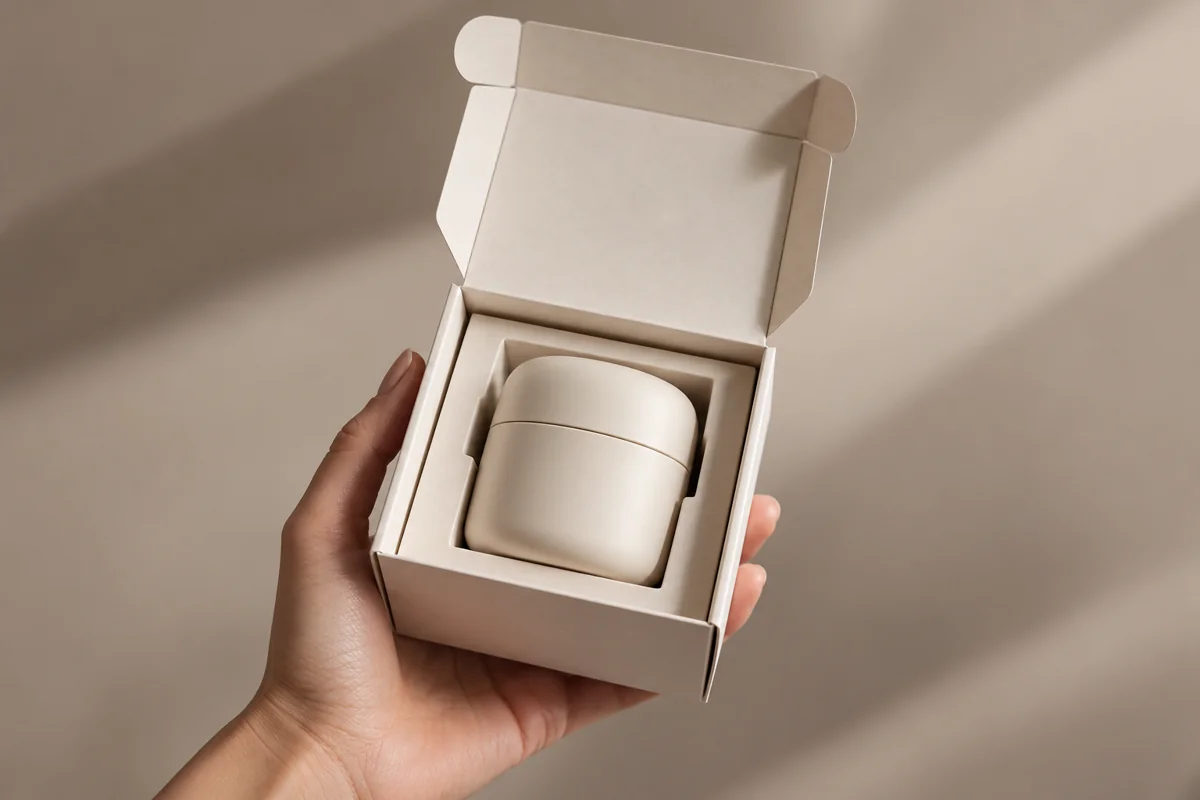
A box must fit the product, protect it and close properly before any printed artwork matters. Ask for a plain structural sample made from the actual board, then test it with real products. Check how it stacks, ships, opens and sits on a retail shelf.
Once the structure is approved, the printer supplies a dieline showing cut lines, folds and glue areas. Design the artwork on that dieline, keeping text away from folds and cut edges. Changing the structure after artwork is finished usually means redesigning several panels from scratch.
Quick answer: Short-Run Printed Packaging
Approve a plain structural sample in the actual board, tested with real products, before designing artwork. Then design on the printer's dieline, keeping text away from folds and cut edges.
Which finishes change cost and lead time?
Foil stamping, embossing, spot UV and special coatings make packaging feel premium, but they add steps. Some finishes need custom tooling, such as embossing dies, which adds cost and time to orders. Digital embellishment can create similar effects without dies on smaller print quantities.
Confirm realistic lead times for each finish with the printer before fixing the launch date. Ask for a fully finished sample if the launch depends on a premium unboxing experience on social media. Our guide to Pantone colour matching in digital print covers related colour expectations.
Quick answer: Short-Run Printed Packaging
Foil, embossing, spot UV and special coatings add steps, and some need custom tooling such as dies. Confirm lead times for each finish, and consider digital embellishment for launch runs.
How do you keep colour consistent between runs?
Customers notice when the reorder box looks different from the launch box on the same retail shelf. Different print methods, presses and boards can shift colours, especially strong brand colours. Agree measurable colour references, such as Pantone numbers or approved physical samples, from the start.
Keep the approved printed sample from the first run as the reference for every reorder. Ask for a press proof or ink drawdown when switching from digital to offset. Record the board, ink and finish specification so reorders use exactly the same materials and settings.
Quick answer: Short-Run Printed Packaging
Agree colour references such as Pantone numbers or approved samples, and keep the first run's printed sample. Request proofs when switching methods, and carefully record board, ink and finish specifications.
How big does a retail barcode need to be?
Retailers scan barcodes at checkout and in warehouses, so size and print quality matter. GS1 UK's published barcode guidance lists an EAN-13 at 100% magnification as 37.29 mm wide and 22.85 mm high. At 80% magnification, it lists 29.83 mm wide and 18.28 mm high.
GS1 UK notes that width includes the quiet zones and height excludes the numbers. It advises against reducing barcode height unless absolutely necessary, because truncated codes are harder to scan. Print barcodes as dark bars on a light background and test a proof before production.
Quick answer: Short-Run Printed Packaging
GS1 UK lists an EAN-13 at 100% magnification as 37.29 by 22.85 mm, and 29.83 by 18.28 mm at 80%. Avoid truncating the barcode height and test scans before printing.
Takeaways: Short-Run Printed Packaging
Use digital printing for launch quantities and versions, and quote offset for larger repeat reorders. Approve a structural sample in the actual board before designing artwork on the dieline. Confirm finish lead times, and keep the first run's approved sample as the colour standard. Follow GS1 UK barcode size guidance, avoid truncating barcode height and test scans on a proof.
Lock the details before the launch run
Launch packaging is a test of the product, the box and the supply chain at the same time. Start with a structural sample and approved dieline before any artwork is finished. Choose digital or offset using comparable quotes at both launch and reorder quantities. Then lock colour, finish and barcode details so every future reorder matches the first launch run.
Auronix Advertising coordinates offset printing in the UAE, alongside short-run digital packaging for product launches. Send us your product dimensions, launch quantity, expected reorder volumes, finish ideas and target launch date. We will arrange structural samples, recommend a print method and prepare proofs for your approval. Request a quote early, so samples and proofs fit comfortably before your launch date.
Sources: Short-Run Printed Packaging
FAQs: Short-Run Printed Packaging
Is digital or offset better for launch packaging?
Digital usually suits launch quantities, test markets and multiple versions, because it needs no printing plates. Offset becomes cheaper per box as quantities rise, so compare quotes at both quantities.
What is a structural sample?
It is a plain, unprinted box made from the actual board to test fit, protection and closing. Approve it with real products before designing any artwork on the printer's dieline.
What is a packaging dieline?
A dieline is the flat template showing where the box is cut, folded and glued. Designers place artwork on it, keeping important text away from folds and all cut edges.
Do premium finishes work on short runs?
Yes, but finishes like embossing and foil stamping may need custom tooling that adds cost and time. Digital embellishment can create similar effects without dies on smaller launch quantities too.
Why do packaging colours change between print runs?
Different print methods, presses and boards can shift colours, especially strong brand colours. Agree colour references and keep the first run's approved sample as the standard for all future reorders.
How big should a barcode be on packaging?
GS1 UK lists an EAN-13 at 100% magnification as 37.29 mm wide and 22.85 mm high. Its smallest size, at 80% magnification, is 29.83 mm wide and 18.28 mm high.
Can I shorten a barcode to fit my box?
GS1 UK advises against reducing barcode height unless absolutely necessary, because truncated codes are harder to scan. Adjust the layout to fit a full-height barcode instead, and test a proof.
How long does short-run packaging take?
It depends on the structure, finishes and printer workload, so confirm lead times before fixing a launch date. Allow extra time for structural samples, artwork changes and printed proofs first.
Should I order launch packaging and reorders from the same printer?
It helps keep colours consistent between runs, but it is not essential if specifications are recorded. Keep the approved sample and document board, ink and finish details for every run.
Can Auronix print launch packaging?
Yes, Auronix Advertising coordinates short-run digital and offset printed packaging for product launches across the UAE. We arrange structural samples, dielines, proofs and finishes, and check barcodes before production starts.
