Advertising & Branding /
Fabric Lightbox or Acrylic Face: Choosing for a Retail Wall
Fabric SEG lightboxes suit retailers who change graphics often and want large seamless images, while acrylic-faced boxes suit permanent signs that need a rigid, wipeable surface outdoors or in busy areas.
By Ashker
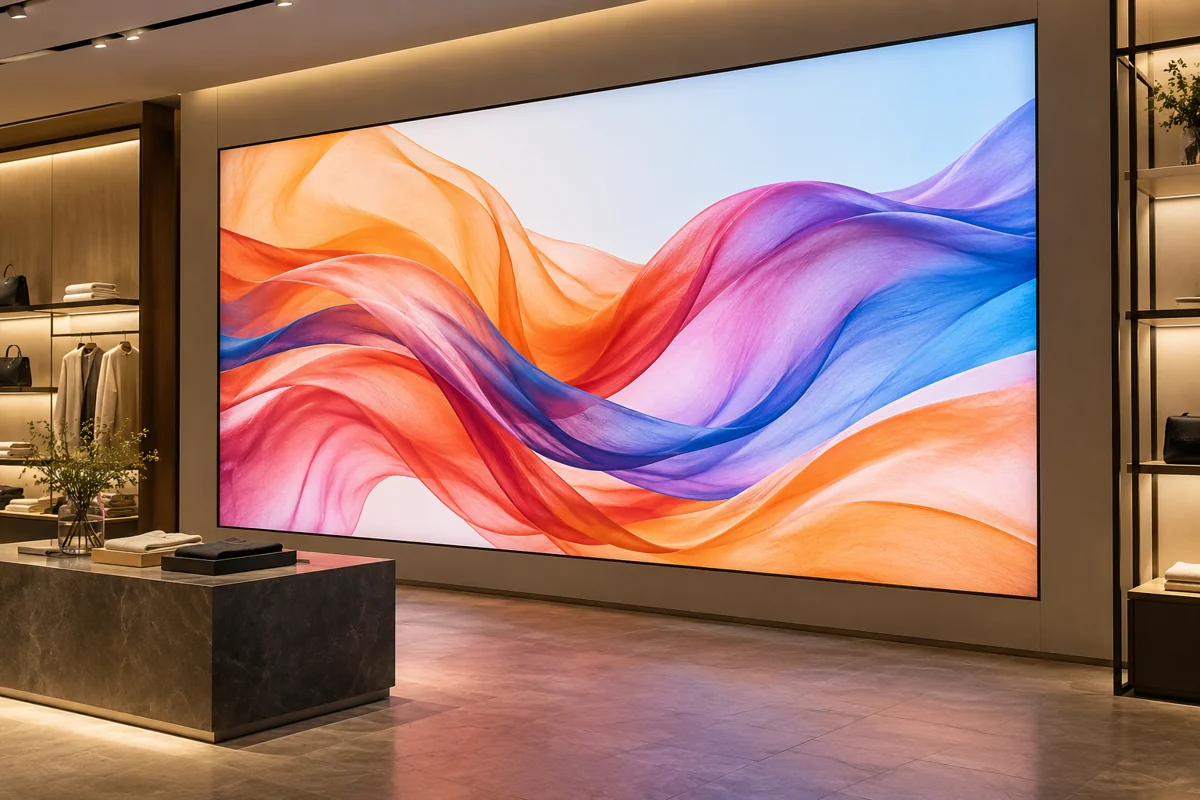
Backlit walls are common in UAE malls, showrooms, clinics and airports because they make products and brand messages glow. Retailers usually choose between two main types: tension-fabric lightboxes and boxes with a rigid acrylic face. Both can look excellent, but they behave very differently over months of use. The right choice depends on how often graphics change and where the box will hang.
This guide compares fabric and acrylic-faced lightboxes for retail walls and showrooms. It covers changing graphics, light evenness, box depth, fire safety for fabrics and cleaning. It uses Arkema's Plexiglas technical guide and the NFPA 701 fabric fire test standard as its main references. Each section ends with a short answer for your retail or marketing team.
How do fabric and acrylic lightboxes differ?
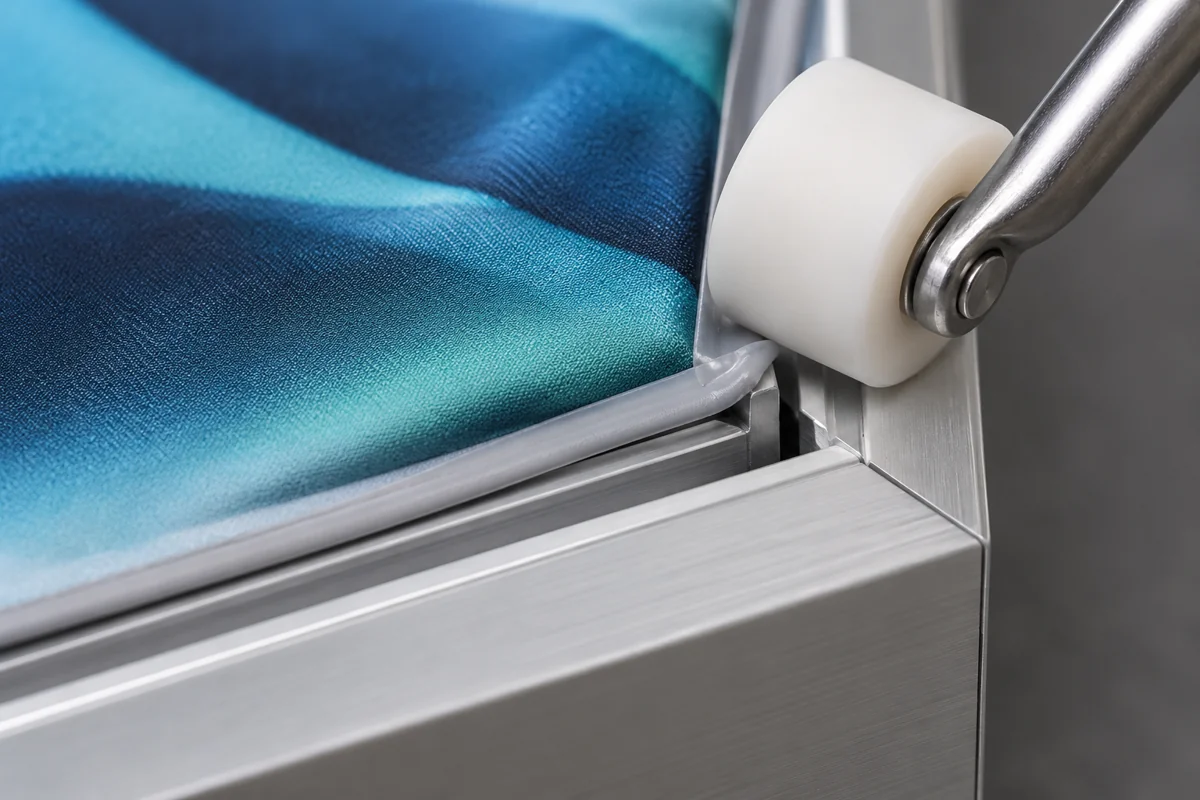
A fabric lightbox, often called an SEG lightbox, uses a printed fabric graphic with a silicone strip around its edge. The strip pushes into a groove in the aluminium frame, stretching the fabric tight across the face. LEDs behind or around the frame light it.
An acrylic lightbox uses a rigid plastic face, usually opal or printed acrylic, fixed to the front of the box. The graphic may be printed directly onto the acrylic or applied as vinyl or film. Acrylic faces suit permanent signs, while fabric suits frequent changes.
Quick answer: Fabric Lightbox or Acrylic Face
Fabric SEG lightboxes stretch a printed fabric graphic into a frame groove, while acrylic lightboxes use a rigid plastic face. Acrylic suits permanent signs, and fabric suits frequent graphic changes.
Which is easier when graphics change often?
Fabric graphics are light, fold for shipping and can be swapped by pulling the silicone edge out and pressing a new one in. Retailers running monthly promotions or seasonal campaigns save time, transport and installation costs. Old fabric graphics can also be stored for later reuse.
Changing an acrylic face usually means replacing or reprinting a rigid panel, which costs more and needs careful handling. Large acrylic panels are heavy and can crack or scratch if handled badly on site. For rarely changed signs, that extra effort may not matter.
Quick answer: Fabric Lightbox or Acrylic Face
Fabric graphics fold for shipping and swap quickly by pressing a new silicone edge into the frame. Acrylic faces may take new vinyl, or need rigid replacement panels handled carefully.
Which gives more even light?
Both can give even light when the box depth, LED spacing and face material are designed together. Fabric and opal acrylic both diffuse light, hiding individual LEDs from view. Shallow boxes with widely spaced LEDs can show bright hot spots and dark patches with either material.
Face material choice matters too. Arkema's Plexiglas optical and transmission guide states that colourless Plexiglas sheet transmits 92% of light, which is why clear acrylic shows LEDs plainly. Ask suppliers for the light transmission of the exact opal or fabric material and thickness proposed.
Quick answer: Fabric Lightbox or Acrylic Face
Even light depends on box depth, LED spacing and face material working together. Clear acrylic transmits 92% of light, so diffusing opal acrylic or fabric is needed to hide LEDs.
Which fire and safety checks apply indoors?
Fabric used indoors in malls, airports and other public areas often needs fire test evidence. NFPA 701 sets fire test methods for flame propagation of textiles and films. Ask the mall or landlord which standard they require before ordering any fabric graphics.
Acrylic is a plastic, so always check whether the venue sets rules for plastics used in shopfronts, bulkheads or ceilings. Arkema's guide also advises checking code approvals for building uses. Our guide to indoor signage that won't off-gas in air conditioning covers other indoor material and finish choices.
Quick answer: Fabric Lightbox or Acrylic Face
Ask the mall which fabric fire standard applies, such as NFPA 701 test methods. For acrylic, check venue rules on plastics, because Arkema advises checking code approvals for building uses.
How should each lightbox be cleaned and maintained?
Fabric graphics collect dust over time and can be removed and washed or replaced, depending on the print and supplier instructions. Keep spare graphics ready for high-traffic areas where marks and stains are likely. Check regularly that the silicone edge stays fully seated in the frame groove.
Acrylic faces are usually wiped clean in place. Arkema's guide recommends cleaning Plexiglas sheet with soap and water and avoiding abrasives, which scratch the surface. Our guide to replacing a sign face without changing the frame covers face replacement on existing lightbox frames.
Quick answer: Fabric Lightbox or Acrylic Face
Fabric graphics can be removed and washed or replaced, following the supplier's care instructions. Clean acrylic faces in place with soap and water and avoid abrasives, as Arkema's guide recommends.
Takeaways: Fabric Lightbox or Acrylic Face
Fabric SEG lightboxes suit frequent graphic changes, while acrylic faces suit permanent signs and outdoor locations. Even light depends on depth, LED spacing and a diffusing face, because clear acrylic transmits 92% of light. Check venue fire rules for fabrics and any rules for plastics before ordering. Clean acrylic faces with soap and water, avoiding abrasives, and keep spare graphics.
Choose by how often the message changes
Start by counting how many times a year the graphic on the wall will change. Frequent promotional changes favour fabric, because new graphics are cheaper to print, ship and install. Permanent signs and outdoor locations usually favour a rigid acrylic face that is easy to wipe clean. Then confirm venue fire rules, depth limits and power supply before ordering anything.
Auronix Advertising coordinates illuminated signage in Dubai, including fabric SEG and acrylic-faced lightboxes for retail walls. Send us the wall size, mall or building location and your campaign schedule for the year. We will recommend the right lightbox type, depth and LED layout for even, reliable light. Request a quote for your next retail wall or showroom refresh this season.
Sources: Fabric Lightbox or Acrylic Face
FAQs: Fabric Lightbox or Acrylic Face
What is an SEG lightbox?
SEG stands for silicone edge graphic, a common system for retail and exhibition lightboxes. A fabric graphic with a silicone strip sewn around its edge pushes into the frame groove.
Is a fabric lightbox cheaper than an acrylic lightbox?
It depends on size, LED specification and frame quality, so compare quotes rather than single prices. Fabric graphics are usually cheaper to change, ship and store when campaigns change often.
Which lightbox is better for changing promotions?
Fabric lightboxes suit frequent changes, because graphics fold for shipping and swap quickly by hand. Sound acrylic faces may take new vinyl; damaged ones need rigid replacement panels, costing more.
Why can I see the LEDs through my lightbox?
The box may be too shallow, the LEDs too widely spaced or the face not diffusing enough. Clear acrylic transmits 92% of light, so diffusing faces are usually needed instead.
Can fabric lightboxes be used outdoors?
Fabric lightboxes are mainly designed for indoor walls in malls, showrooms, airports and exhibition stands. Outdoor lightboxes need weather-resistant rigid or flex faces, sealed construction against dust, rain and heat.
Do fabric lightbox graphics need fire certificates?
Many venues require fire test evidence for indoor fabric graphics, such as results under NFPA 701 test methods. Ask the mall or landlord which standard applies before ordering any graphics.
How do I clean an acrylic lightbox face?
Arkema's Plexiglas guide recommends washing the sheet with soap and water and avoiding abrasive cleaners. Abrasive pads and powders scratch the surface and leave marks that show clearly when lit.
Can fabric lightbox graphics be washed?
Some fabric graphics can be washed, depending on the print method and fabric type used. Follow the supplier's care instructions, or replace any graphics that are heavily marked or faded.
How deep should a lightbox be?
Depth depends on the LED type, LED spacing and how much the face material diffuses light. Ask the supplier to design depth and LEDs together, then check a sample panel.
Can Auronix arrange fabric or acrylic lightboxes?
Yes, Auronix Advertising coordinates fabric SEG and acrylic-faced lightboxes with partner fabricators for retail walls. We recommend the type based on how often graphics change, location, budget and venue rules.
