Advertising & Branding /
Indoor Signs That Don't Reek of Solvent in a Sealed, Air-Conditioned Office
Fresh solvent prints need at least 24 hours to release solvent before finishing, so a sealed office smells less when prints dry properly first or use water-based latex ink.
By Ashker
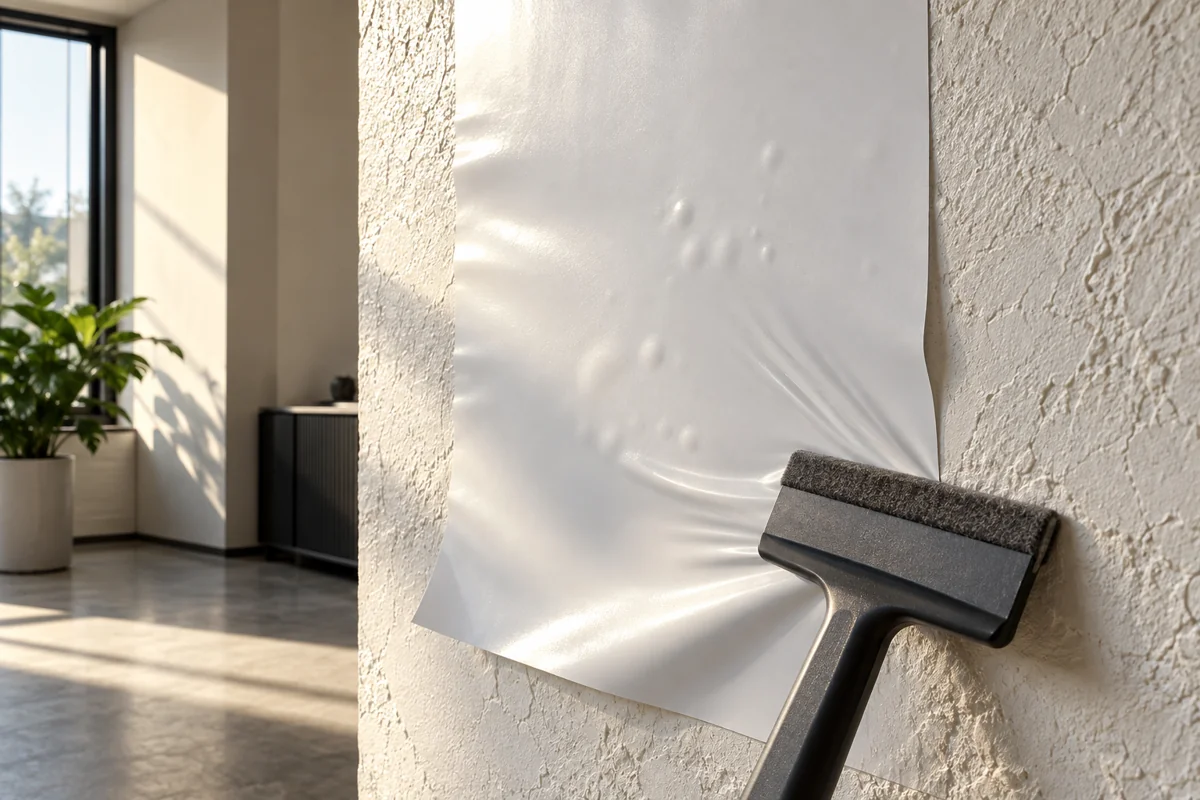
A new reception sign should impress visitors the next morning, not give them a headache. In a sealed UAE office with the air conditioning recirculating, fresh print smell can linger for hours. The cause is usually solvent still leaving the ink and adhesive layers. Most of that problem is avoidable when ink choice and timing are planned before the job.
This guide explains why some indoor graphics smell and others barely do. It draws on drying guidance published by 3M and Orafol, and on HP's description of its water-based Latex inks. It also covers when to schedule installation in an occupied office. Dubai Municipality publishes indoor air quality guidance, so treat fresh signage materials as part of that wider picture.
Why do some new indoor signs smell so strongly?
Solvent and eco-solvent inks carry the colour in solvents that must evaporate after printing. Until they do, the print releases vapour that people notice in a closed room. Heavy ink coverage holds more solvent, so dark full-colour graphics usually take longest to settle.
3M's guide to digital printing says solvent inks need 24 hours or more for outgassing before lamination, in a well-ventilated area. That drying normally happens in the print workshop, not on your office wall. Problems start when a job is printed, laminated and installed within one day.
Quick Answer
New indoor signs smell when solvent inks are releasing vapour after printing. 3M advises at least 24 hours of ventilated drying before lamination, so rushed same-day installs carry more odour.
How long should prints dry before they reach the office?
Plan for at least a day of drying before finishing, and longer for dark graphics. Orafol Americas recommends allowing printed film to dry for at least 24 hours, with 48 to 72 hours preferred. It adds that heavily saturated prints need a longer drying period.
Both makers also warn against leaving fresh prints rolled tightly on the core. Tight rolls trap solvent, which can migrate into the adhesive and cause edge curling or poor adhesion later. Ask your supplier how long graphics will dry and how they are stored first.
Quick Answer
Fresh solvent prints need at least 24 hours of drying, and Orafol prefers 48 to 72 hours. Loose storage in a ventilated area lets solvent escape before finishing and delivery.
Which inks and materials keep odour lower?
Water-based latex ink is the usual first choice when odour matters indoors. 3M describes latex as water-based and notes that it does not require extra ventilation. That makes it suited to offices, clinics and classrooms that stay sealed during working hours.
HP describes its Latex prints as low odour and says the inks contain up to 65 percent water. HP also notes that some media have their own odour profiles and can affect the finished print. Ask about the ink and media together, rather than assuming one settles the question.
Quick Answer
Water-based latex ink is the lower-odour option for sealed offices, according to 3M and HP. Confirm the print media as well, because HP says some substrates change the final odour.
When should the installation be scheduled?
Book installation for an evening or weekend when the office can run its air conditioning with fresh-air intake for a while. Installers then work without disturbing staff. The space also gets time to clear before people return the next morning.
Avoid scheduling installation on the same day the graphics were printed, especially for large wall wraps. Build the drying period into the project timeline when the quote is approved. For textured or painted walls, read our guide to office wall graphics on textured and smooth surfaces before choosing the film.
Quick Answer
Install graphics outside working hours and never on the same day they were printed. Building drying time into the schedule protects the finish and the air staff breathe next morning.
What should you ask a supplier before ordering?
Ask which ink system will print your graphics and whether solvent, eco-solvent, latex or UV is planned. Ask how long prints will dry before lamination and installation. Ask what media and laminate are specified, since each layer contributes to the finished product.
For sensitive spaces such as clinics or nurseries, request the manufacturer's environmental information for the exact ink and media combination. Dubai Municipality lists its Technical Guidelines for Indoor Air Quality among its health and safety guidelines. Facility managers can apply that guidance when planning work in occupied buildings.
Quick Answer
Ask suppliers to name the ink system, drying time, media and laminate before approving the job. Sensitive spaces should request manufacturer environmental information for the exact ink and media combination.
Main Takeaways
Solvent-based prints need at least 24 hours of ventilated drying, and longer for dark ink coverage. Water-based latex ink keeps odour lower in sealed offices, though media can affect the result. Install outside working hours and never on the same day as printing. Ask suppliers to name the ink, drying time, media and laminate before you approve any indoor job.
Plan the job around drying time, not the deadline
Set the installation date first, then work backwards to allow printing, drying, laminating and trimming. Tell the supplier the space is sealed and air conditioned, and who uses it during the day. Share the floor plan and wall photos so materials suit each surface. That brief lets the supplier choose inks and timing that keep the office comfortable for everyone.
Auronix Advertising produces indoor signage across the UAE with drying and installation timing planned around occupied offices. For reception area pieces, see our guide to reception sign materials that photograph well. For outdoor branding work, compare ink durability in our UV versus eco-solvent guide. Send your artwork, wall sizes and site photos to request a quote with a realistic timeline.
Sources & References
FAQs
How long does new signage smell last indoors?
It depends on the ink, the coverage and how long prints dried before installation. Well-dried prints installed after the recommended drying period should settle much faster in properly ventilated rooms.
Is eco-solvent ink odour free?
No, eco-solvent inks still contain solvents that need time to evaporate after printing. They are milder than full solvent inks, but drying time still matters before any indoor installation work.
Is latex ink better for offices and clinics?
Latex ink is water-based, and 3M notes it needs no extra ventilation. That makes it a common choice for sealed indoor spaces where staff, patients or children spend long hours.
Can lamination trap solvent inside the print?
Yes, laminating too early can seal solvent into the graphic and cause curling or adhesion failure. 3M and Orafol both recommend at least 24 hours of drying before laminating prints.
Does dark artwork take longer to dry?
Yes, heavier ink coverage holds more solvent, so dark full-colour graphics need longer. Orafol advises a longer drying period for prints heavy in ink saturation before any lamination is applied.
Should graphics be installed during working hours?
It is better to install outside working hours when the space can be ventilated. Staff then return to a cleaner office, and installers can work without interruptions or time pressure.
Do acrylic or aluminium signs smell too?
Plain acrylic and aluminium panels usually carry little odour on their own. Smell normally comes from printed films, adhesives or paints applied to them, so ask about every layer used.
Can a supplier rush drying with heat?
Some printers use controlled airflow and warmth, but follow the ink and media maker's instructions. Rushed drying that ignores those instructions can still leave solvent behind in the finished graphic.
Does air conditioning remove the smell faster?
Air conditioning that brings in fresh outdoor air helps clear vapour, while pure recirculation does not. Ask your facility manager how fresh-air intake works in your office building before installation.
Who checks indoor air quality in a Dubai office?
Building owners and facility managers usually handle indoor air quality under Dubai Municipality guidance. Coordinate any signage installation with them early, especially in fully occupied buildings, schools or healthcare spaces.
