Advertising & Branding /
Hoisting Flags on a Permanent Pole: Fabric, Fraying and Replacement Planning
Permanent hoisting flags wear fastest at the fly end in strong wind and sun. Choose fabric for exposure, repair loose hems early, lower flags in high winds and budget for regular replacements.
By Ashker
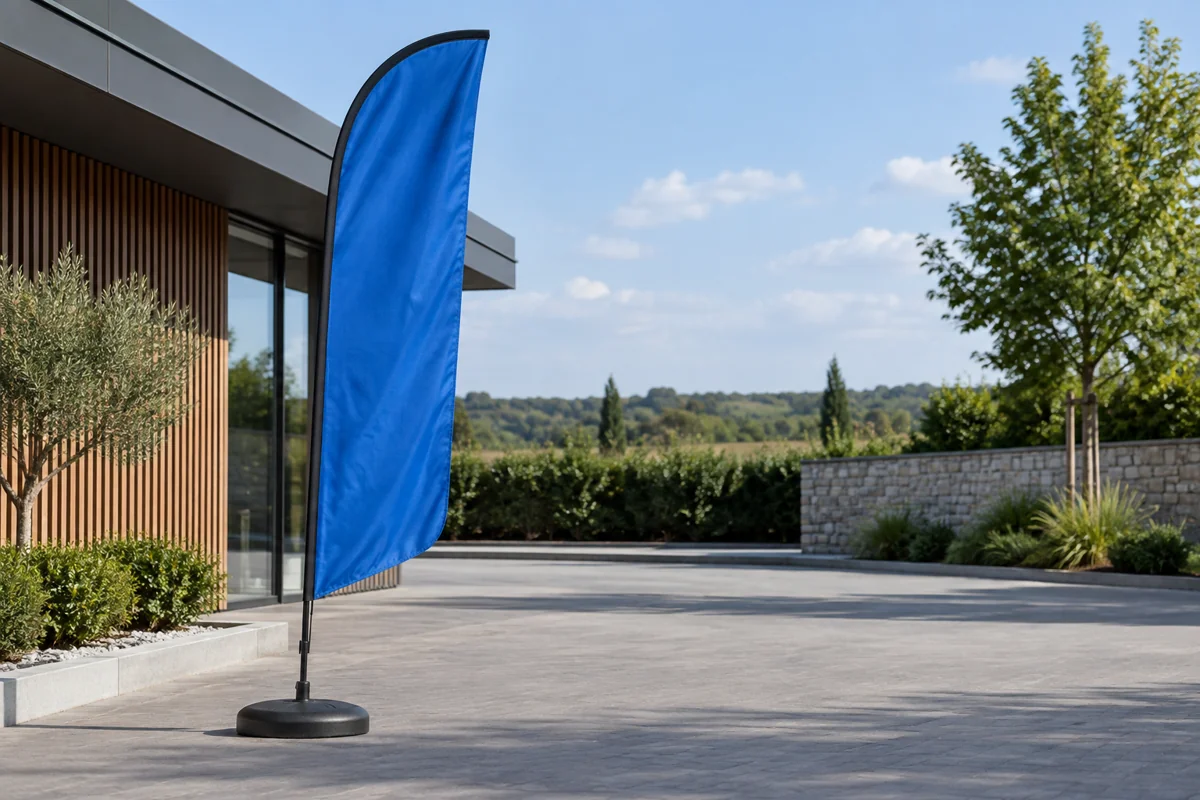
A company flag on a permanent pole looks simple, yet it faces wind, sun and dust every single day. Within months, the fly end can fray and the colours can fade. A tired, faded flag outside a head office sends the wrong message to visitors. Choosing the right fabric and planning replacements keeps the display looking cared for all year.
This guide covers how fabric choice affects a hoisting flag's life on a permanent pole. It draws on care guidance from UK flag makers, because few UAE-specific studies exist. It also explains fraying, high-wind policy, cleaning routines and realistic replacement budgets. The aim is a flag programme that stays presentable without surprise costs between replacements or before important company events.
Which fabric suits a permanent flagpole?
Flag makers commonly offer knitted polyester and woven polyester for outdoor hoisting flags. Knitted fabric is lighter and lifts in gentle breezes, which suits low-wind sites. Woven fabric is heavier and generally chosen when a flag stays up for long periods.
The Union Flag Company notes that knitted flags can snag and fray more easily if left up in bad weather. Rubbing against pole fittings and clips also damages them over time. Ask suppliers for the fabric construction and weight, not just the word polyester, before you compare their prices.
Quick Answer
Knitted polyester flies easily in light wind but frays faster in bad weather, according to flag makers. Woven polyester is heavier and better suited to flags flown on permanent poles.
How long does an outdoor flag last?
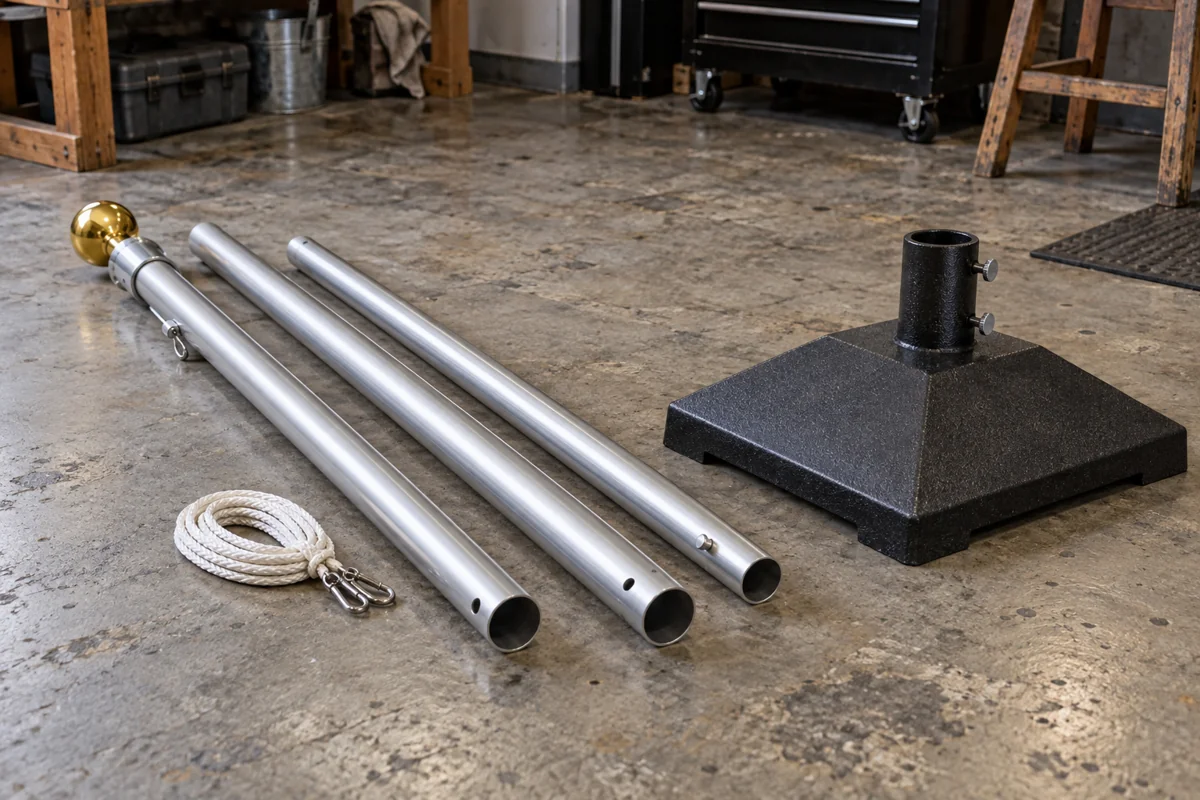
Flag life depends on wind, sun and pollution, so no figure fits every site. The Flags.co.uk care guide estimates two to four months in harsh conditions such as coastal or industrial areas. It suggests nine to twelve months where winds are light and pollution is low.
Those figures come from a UK maker, so treat them as a starting point rather than a promise. UAE sites add strong sun and fine dust, which also wear fabric and colours. Track how long your own flags last, then plan replacements around them.
Quick Answer
Flags.co.uk estimates two to four months in harsh coastal or industrial conditions and up to twelve months in mild ones. Track your own flags to set a realistic replacement cycle.
Why does the fly end fray first?
The fly end is the edge furthest from the pole, and it moves the most in wind. Constant flapping works the stitching loose and lets threads unravel. Once fraying starts, it spreads quickly across the fabric if nothing is done about it.
The Union Flag Company says a quick hem or reinforcement stitch can add weeks or months to a flag's life. Flags.co.uk advises trimming frayed edges with sharp scissors to stop further unravelling. Inspect the fly end at least monthly, as the care guide recommends, so repairs happen early.
Quick Answer
The fly end frays first because it moves the most in strong wind. Monthly checks, prompt trimming and re-hemming can extend a working flag's life by several weeks or months.
When should flags come down for wind?
Lower flags before severe weather rather than waiting for damage. Flags.co.uk advises lowering flags in winds above 25 mph or heavy rain, warning that ignoring this may cause flag and pole failure. Strong gusts also strain the halyard rope, the clips and the pole fittings.
Give one named person responsibility for lowering flags when warnings are issued. Store lowered flags clean, dry and folded, not bundled wet in a cupboard or vehicle. For temporary flags on bases rather than poles, read our guide to indoor and outdoor flag base weights.
Quick Answer
Flags.co.uk advises lowering flags in winds above 25 mph or heavy rain to avoid flag and pole damage. Assign one named person to lower flags whenever severe weather is forecast.
How should replacements be budgeted?
Order at least one spare for each permanent pole, so a worn flag can be swapped the same day it is noticed. Spares also cover events, inspections and sudden storm damage. Keep the print file and specification on record so replacements match the original exactly.
Clean flags regularly according to the maker's instructions, before dirt and fading become obvious. Flags.co.uk recommends washing at 40 degrees with mild detergent and air drying completely. Coastal sites should also rinse hardware regularly with fresh water, as our beachfront sail flag guide also explains.
Quick Answer
Keep at least one spare per permanent pole and store the print specification for matching replacements. Wash flags as the maker instructs and regularly rinse coastal hardware with fresh water.
Main Takeaways
Knitted polyester flies easily but frays faster in bad weather, while woven polyester suits continuous flying. Expect much shorter flag life on exposed coastal or industrial sites with strong sun. Inspect the fly end monthly and re-hem it early. Lower flags in high winds, keep at least one spare per pole and store the specification so replacements always match exactly.
Plan the flag programme, not just the flag
Start by listing every permanent pole at each site, its location and how many hours flags fly each day. Note which poles face strong wind, sea air or heavy dust. Decide who inspects the flags monthly and who lowers them in severe weather. That simple plan turns flags from a recurring surprise into a predictable, budgeted maintenance cost.
Auronix Advertising supplies hoisting flags in the UAE in fabrics suited to permanent outdoor poles and UAE conditions. Send your pole heights, flag sizes, artwork and site photos for a fabric recommendation and quote. For roadside promotional flags, read our feather flag wind rating guide. We can also quote spare sets, so replacements are always ready before the current flags wear out.
Sources & References
FAQs
How often should a company flag be replaced?
It depends on exposure, so track how quickly your own flags actually wear. Flags.co.uk estimates two to four months in harsh conditions and up to twelve months in mild ones.
Is woven polyester better than knitted for flagpoles?
Woven polyester is heavier and lasts longer when flown continuously on permanent poles. Knitted polyester flies more easily in light wind but frays faster when left up in bad weather.
Can a frayed flag be repaired?
Yes, if fraying is caught early, the fly end can be neatly trimmed and re-hemmed. The Union Flag Company says a quick hem can add weeks or months of life.
Should flags stay up at night?
That depends on your organisation's flag policy and whether the pole is lit at night. Flags left up continuously wear faster, so lowering them overnight extends their useful working life.
What wind speed is too strong for a flag?
Flags.co.uk advises lowering flags in winds above 25 mph (about 40 km/h) or in heavy rain. Follow your pole manufacturer's wind instructions as well, because ratings vary between pole models.
How should flags be washed?
Flags.co.uk recommends washing at 40 degrees Celsius with mild detergent and then air drying completely. Avoid bleach and harsh chemicals, which can damage fibres and fade the printed colours quickly.
Why does my flag fade so quickly in the UAE?
Strong UAE sun breaks down dyes and fibres over time, especially on continuously flown flags. Ask suppliers about UV-resistant fabric and printing inks, and plan replacements before fading becomes obvious.
How many spare flags should I keep?
Keep at least one spare per permanent pole, and more for high-profile or exposed locations. Spares allow immediate swaps after storms and keep the display tidy during repairs or cleaning.
Do flag clips and halyards need maintenance?
Yes, check the clips, halyard rope and pole fittings during monthly flag inspections. Coastal sites should rinse hardware with fresh water, because salt air steadily corrodes metal attachments over time.
What should I send for a flag quote?
Send the pole height, flag size, final artwork and the exact location of each pole. Mention how long the flag flies each day so the supplier can recommend suitable fabric.
