Advertising & Branding /
Frosted Vinyl or Sandblasted Glass: Cost Now Versus Lifespan Later
Frosted vinyl is easier to replace and suits leased or rebranding offices, while sandblasting is permanent and usually means new glass after damage. Compare quotes on replacement and cleaning, not only day-one price.
By Ashker
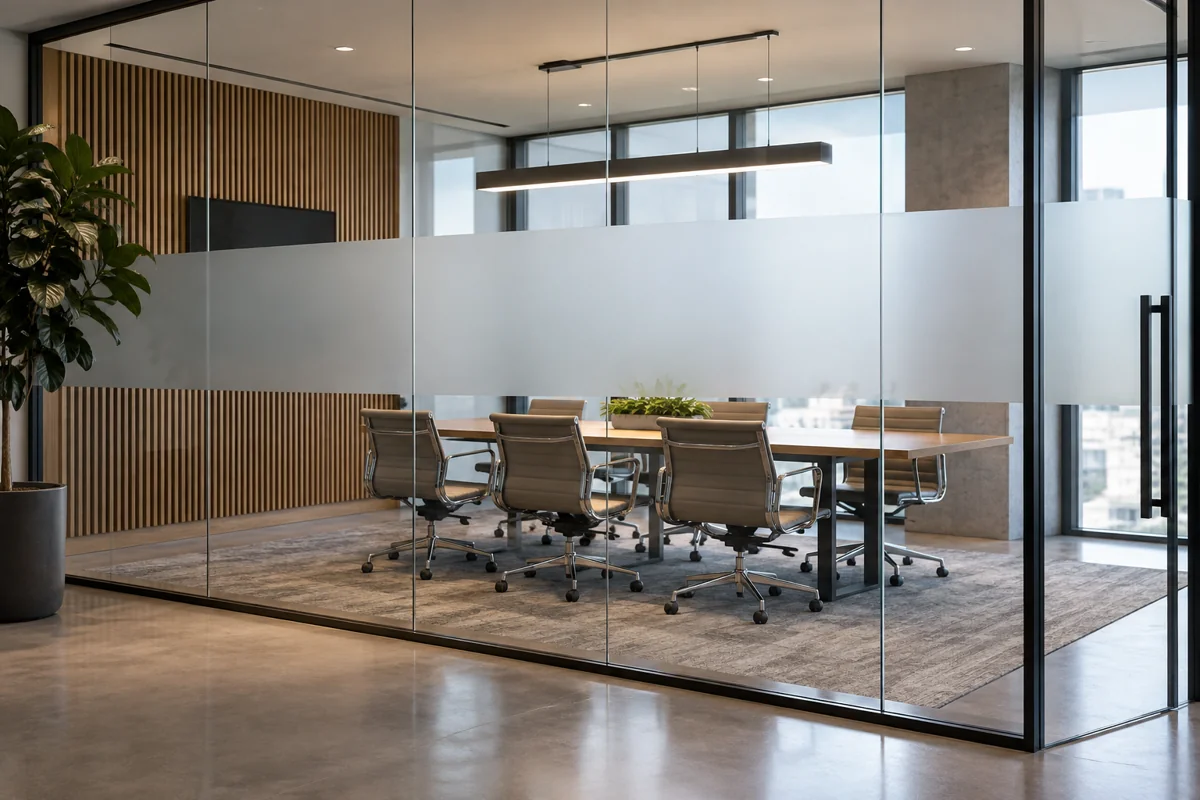
Frosted glass shows up in almost every UAE office fit-out, from meeting rooms to clinic doors. The same look can come from two very different processes. Frosted vinyl is a film applied to the surface, while sandblasting permanently roughens the glass itself. That difference decides what you pay today, what a scratch costs next year and what happens when the lease ends.
This guide compares the two finishes on cost, repair, cleaning and lifespan. It draws on the 3M Fasara product bulletin and cleaning guidance from Pilkington and AGC. It does not quote fixed AED prices, because rates depend on glass size, access and design detail. Instead, it lists what to ask so two quotes can be compared fairly afterwards.
Which finish costs less to install on day one?
Frosted vinyl is often quoted lower upfront because it is cut and applied on site without removing the glass. Sandblasting treats the glass itself, in a workshop or with dust-controlled equipment. For one partition, the gap can depend more on access and labour than on material.
Ask each supplier to price the same scope: glass sizes, pattern, edge clearances and installation hours. A design with fine cut-outs adds weeding time for vinyl and masking time for sandblasting. Request removal or replacement costs too, since those decide the real long-term comparison.
Quick Answer
Frosted vinyl is often the lower upfront option, while sandblasting changes the glass permanently. Compare quotes only when both cover identical sizes, design detail, access, installation and any later replacement.
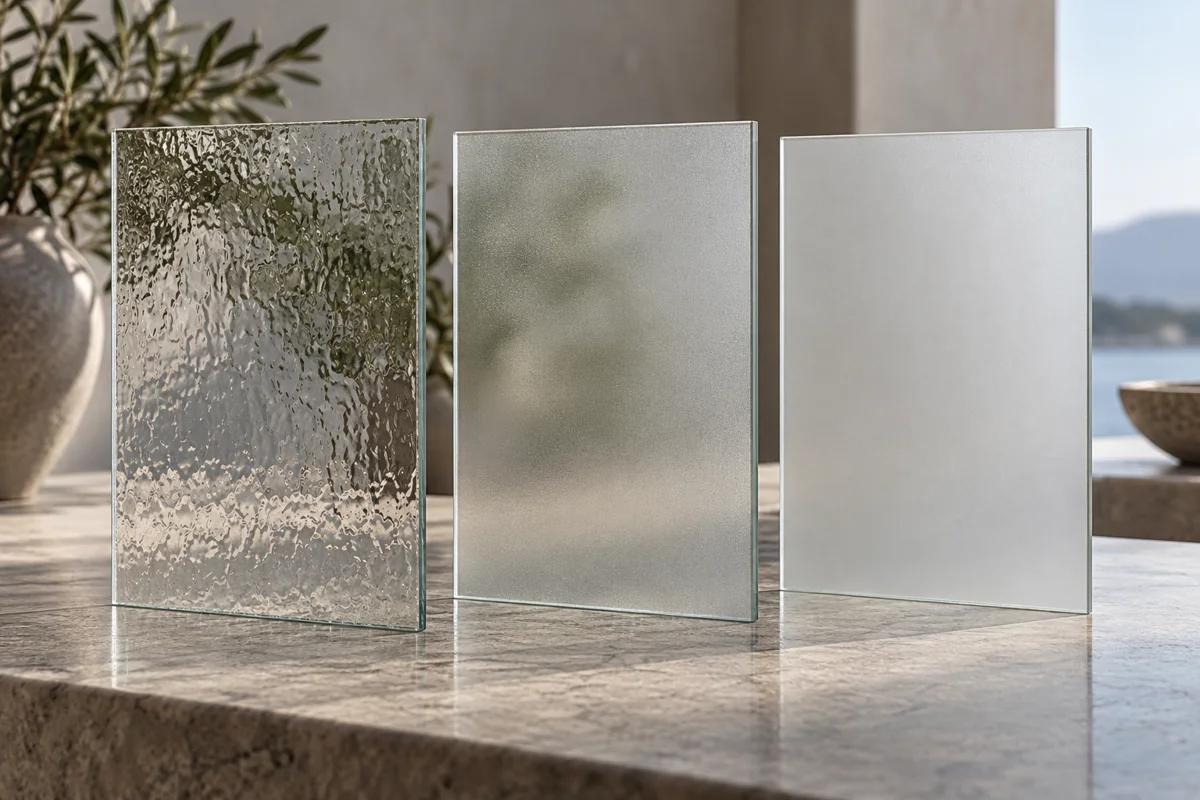
What happens when the finish gets damaged?
A scratched vinyl panel can be peeled off and replaced without changing the glass. The 3M Fasara bulletin says the film is removable with heat or chemicals within its expected performance life. Low adhesive residue is possible, so the glass may need cleaning first.
Sandblasted glass is different because the frosting is the glass surface itself. A deep scratch or chip in the frosted area usually means replacing the pane rather than patching it. On toughened glass in a busy corridor, that replacement brings lead time and an empty frame.
Quick Answer
Damaged vinyl is replaced panel by panel, while damaged sandblasted glass needs a new pane. Budget for film replacement or spare glass according to how hard each area is used.
Which finish copes better with daily cleaning?
Both survive regular cleaning with the right method, but the methods differ. 3M says Fasara can be cleaned from 30 days after installation, wiping gently in one direction only. It rules out ammonia, chlorine, organic-based cleaners, sponges, brushes and polishing compounds.
Pilkington advises cleaning sandblasted glass only with a clear non-abrasive cleaner, because insoluble residue can lodge in the roughened surface. AGC's decorative glass guide adds that etched glass should be wet cleaned across the whole surface, never spot cleaned. Brief your cleaning contractor in writing for the chosen finish.
Quick Answer
Frosted vinyl needs gentle one-direction wiping and no ammonia or brushes after its 30-day wait. Sandblasted glass needs clear, non-abrasive cleaners and whole-surface wet cleaning to avoid lasting residue marks.
How long will each finish last?
3M gives Fasara an expected performance life of 5 to 20 years for indoor vertical glass away from the building perimeter. The range depends on the design, so check the figure for the exact film quoted. Exterior glass needs its own specification.
Sandblasting has no film to age, so the frosting lasts as long as the glass stays intact. Its practical limit is usually damage, staining or a change of layout rather than wear. That permanence suits fixed partitions, but it is a drawback when tenants expect to redesign often.
Quick Answer
3M rates Fasara film at 5 to 20 years indoors on non-perimeter glass, depending on design. Sandblasted frosting lasts as long as the glass, unless damage or a redesign intervenes.
Which suits a rented office or a frequent rebrand?
Frosted vinyl is usually the safer choice in leased space, because it can be removed cleanly when the lease ends. Many landlords expect glass returned to its original condition, so check your tenancy terms carefully before choosing. Film also lets a brand change its pattern or logo without replacing any partitions.
Sandblasting suits owner-occupied premises where the layout and branding are settled for years. It avoids peeling edges in high-touch areas such as door push zones. For shopfront glass that needs one-way visibility instead, see our perforated window film guide.
Quick Answer
Choose frosted vinyl for leased offices and changing brands, because removal is possible. Choose sandblasting for owned premises with a fixed layout, where a permanent glass surface justifies the commitment.
Main Takeaways
Frosted vinyl costs less to change and suits leased or frequently rebranded spaces. Sandblasting is permanent, so damage usually means new glass, but no film can lift or peel. 3M rates Fasara at 5 to 20 years indoors on non-perimeter glass, depending on design. Give cleaners written instructions, because each finish needs a different method to stay presentable for years.
Get both options priced on the same brief
Start with a floor plan marking each glass panel, its size and how often people touch it. Note if you own or lease the space, and how long the layout should last. Add your cleaning contractor's current method and products so the chosen finish suits it. With that brief, a supplier can recommend film, sandblasting or a mix by area.
Auronix Advertising supplies glass frosting vinyl in the UAE and can advise where permanent treatment fits better. Send your floor plan, final artwork and clear photos of each partition and door. For privacy and daylight choices, read our guide to frosting glass without blocking light. Then compare the quotes on removal, replacement and cleaning costs, not only the day-one price.
Sources & References
FAQs
Is frosted vinyl cheaper than sandblasted glass?
Frosted vinyl is often quoted lower upfront because no glass is removed or treated. Compare written quotes covering the same sizes, design and access before treating either price as final.
Can frosted film be removed without damaging the glass?
3M says Fasara is removable with heat and/or chemicals within its expected performance life. Some low adhesive residue is possible, so allow time for cleaning before new film is applied.
How soon can new frosted film be cleaned?
3M advises waiting 30 days after installation before cleaning new Fasara film. After that, wipe gently in one direction with clean, nick-free tools and avoid ammonia, chlorine, sponges and brushes.
Can sandblasted glass be repaired if it is scratched?
Minor marks may clean off, but deep scratches in the frosted surface are part of the glass. In most cases the practical fix is replacing the affected glass pane entirely.
Does sandblasted glass show fingerprints?
Roughened glass can hold oils from hands, especially around doors and handles. Follow the glass maker's cleaning advice and consider a protective coating where staff touch the glass every day.
Which finish gives more privacy?
Both can be specified from light dusting to dense frosting, so privacy depends on the chosen density. Ask for a sample panel viewed in your actual office lighting before approving.
Can frosted vinyl be used on exterior glass?
Some films are rated for exterior use, but 3M's 5 to 20 year figure covers indoor non-perimeter glass only. Ask for the exterior specification of the exact product being quoted.
Is sandblasting messy to carry out on site?
Sandblasting abrades glass with grit, so on-site work needs dust control and protection of surrounding finishes. Many projects process the glass off site instead, to keep the working office clean.
Can I get a logo in either finish?
Yes, both finishes can carry cut logos, patterns and clear safety bands for visibility. Fine detail adds labour in either process, so share your final artwork before requesting any prices.
Which finish lasts longer in a busy corridor?
Sandblasting has no film edges to lift, while vinyl edges can wear where trolleys and hands touch. Vinyl panels are far easier to replace once a section gets damaged, though.
